Ready Readers - Books & Articles for Professional Development
Books
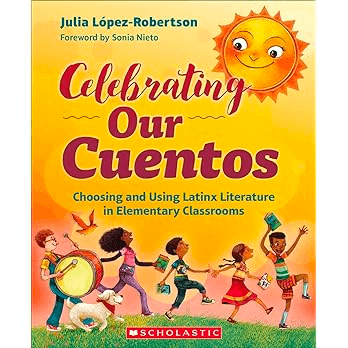
Celebrating Our Cuentos: Choosing and Using Latinx Literature in Elementary Classrooms
By: Julia Lopez-Robertson
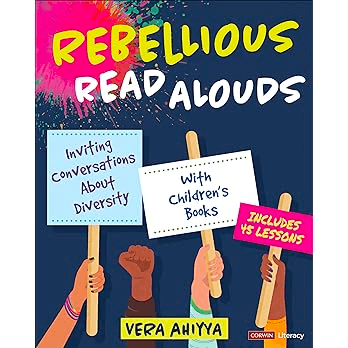
Rebellious Read Alouds: Inviting Conversations About Diversity With Children′s Books
By: Vera Ahiyya
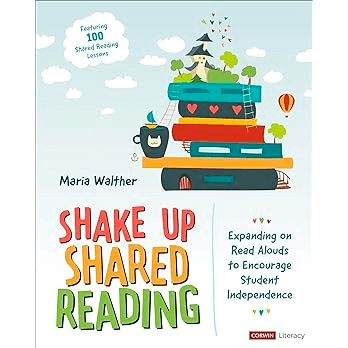
Shake Up Shared Reading: Expanding on Read Alouds to Encourage Student Independence
By: Maria P. Walther
The Ramped-Up Read Aloud: What to Notice as You Turn the Page
By: Maria P. Walther
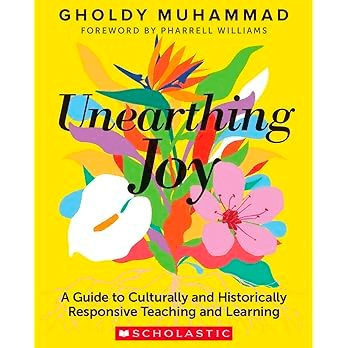
Unearthing Joy: A Guide to Culturally and Historically Responsive Teaching and Learning
By: Gholdy Muhammad
Articles
The Hidden Power of Read Alouds
Teachers always need more time. I’ve never met a teacher that didn’t know what they couldn’t do with five extra minutes of instructional time. In my experience, this is why interactive read-alouds may not be prioritized or occurring on a regular basis. However, read alouds have become a staple in elementary literacy classrooms for good reason, and it is time well spent. And while some may think read alouds should be reserved for students in the primary grades, there is research to support the idea that students should be read to daily in all K-12 grade levels (Layne, 2015).
In the October Talking Points, Laura May and Gary Bingham encourage elementary teachers to use interactive read-alouds. What makes interactive read-alouds different from the traditional activity of a teacher reading aloud to the class? “[R]ather than waiting for the teacher to sanction student talk by calling on a student with a raised hand,” they explain, “students are allowed to make comments and ask questions as they have them.“ Teachers also stop frequently to share their own thoughts on the reading material, modeling engagement.