
By Andrew Fox, D12 & 19 High-Impact Tutoring Program Manager
Being a student is hard work. In fact, it is a full-time job that requires dedication and determination to succeed. Unfortunately, not every student is set up with the tools they need in order to thrive in their academic environment. As the Covid-19 Pandemic appears farther in our rear view mirror, we have been able to glean some key takeaways as we move forward to help those young students who were most impacted. It is now clear that educators must focus on the social emotional needs of their students in conjunction with academics, to ensure that they can grow and thrive in their school settings.
As a former educator and HIT Program Manager, I have always believed in the importance of Social Emotional Learning, or SEL, when building a classroom community. One of the core tenets of HIT programming is that SEL and academics go hand in hand. Therefore, we guide our tutors to create environments where students feel comfortable taking risks and learning from their mistakes. Schools participating in HIT programming have the option of working with an outside tutoring provider, or hiring their own school-based staff to work with their students. Many schools feel that their staff has already established solid relationships with their students, therefore making them well suited to work with those students who need extra support.
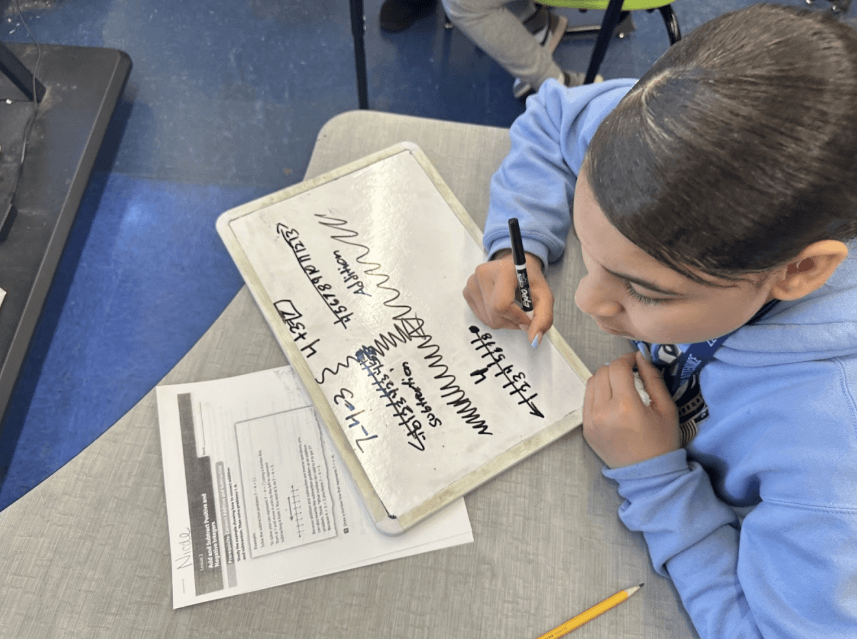
One such school is Frederick Douglass Academy V. Middle School in the Bronx. There, HIT Lead and Lead Special Education Teacher Annemarie Josephson has selected a group of middle school teachers to work in an after school HIT program. They believe in utilizing the resources that already exist within the walls of their schools, the teachers. By selecting in-house staff, they have already taken a step towards the emotional well-being of their students pairing them with instructors who have established relationships and a level of familiarity. This allows for the learning to happen in a comfortable environment where students feel safe and understood. Without this type of support, learning may not always occur.
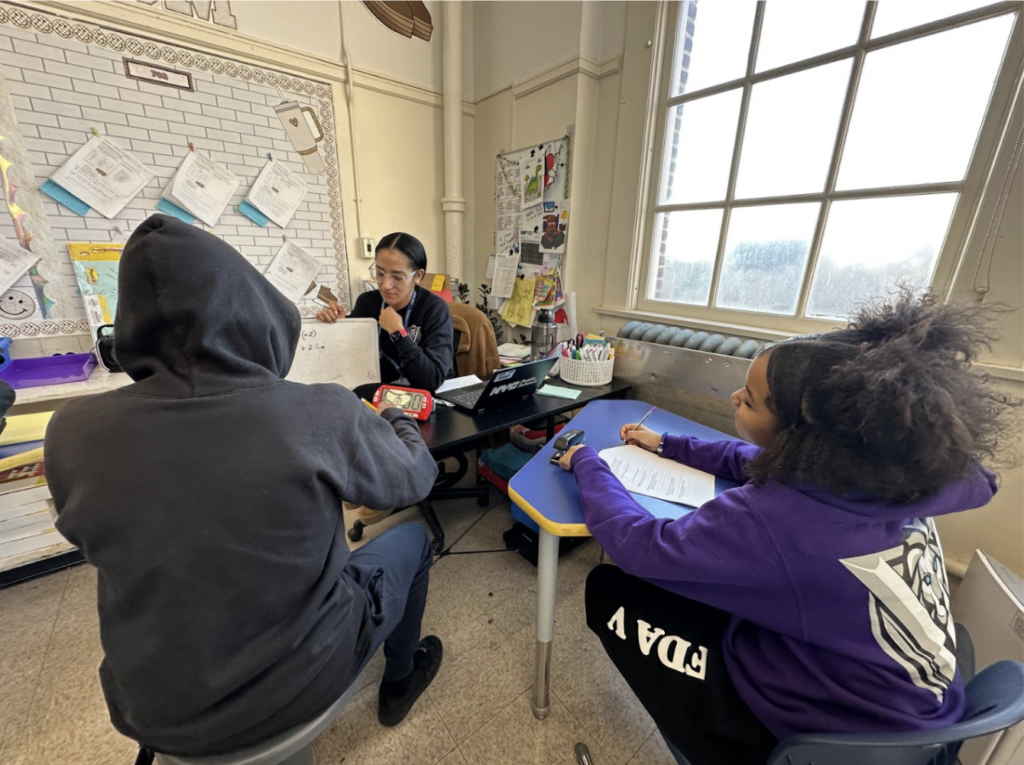
During my initial site visit, I observed Ms. Alamanzar working with a group of 7th graders. The level of comfort between the students and Ms. Alamanzar was palpable. She validated each student and gave them encouragement as she progressed through the session. According to her, “The trust is already there. They know me, I know them, and we’ve built that relationship through our regular class time. When they come for extra help, there’s no awkwardness or having to explain their learning style to someone new. We can dive right into the work.”.
According to Nicole Anazagasty, HIT Lead and Special Education Teacher at Frederick Douglass, “Having school-based staff lead the HIT program is a game-changer because we have a deep, historical understanding of our students’ data. At the start of the year, I was able to analyze our internal performance trends to strategically identify the students who needed this intervention most. Being on-site allowed us to turn that data into a living implementation plan that fits the specific culture and needs of our building.”
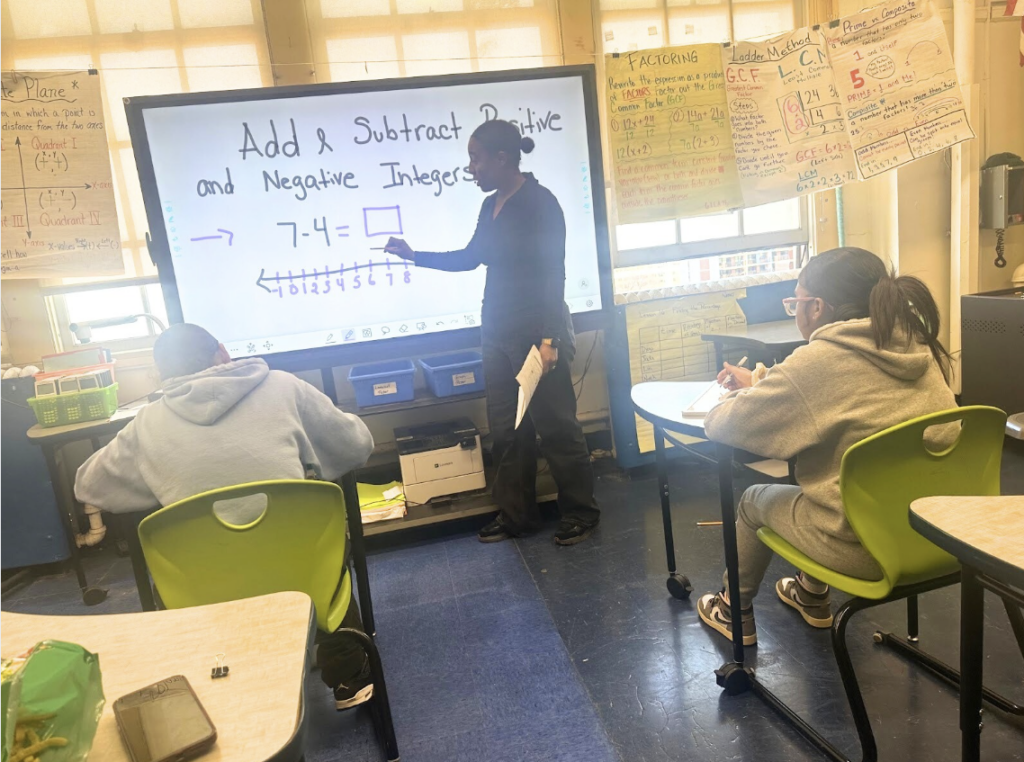
The HIT program was created to address the needs of young learners affected by learning gaps resulting from the abrupt pivot to online learning during the COVID 19 pandemic. This traumatic move took students out of supportive academic and community-based environments with little to no warning. While it can easily be argued that very little good came of the pandemic, it did provide educators and policy makers with a crucial insight; that we as a society need to place a far greater value on the social emotional needs of our young learners. This holistic approach places equal emphasis on how and what a child can learn, and should continue to be at the forefront of modern education.